Damansara Heights vs Bangsar: An Honest Comparison for Anyone Planning to Live There
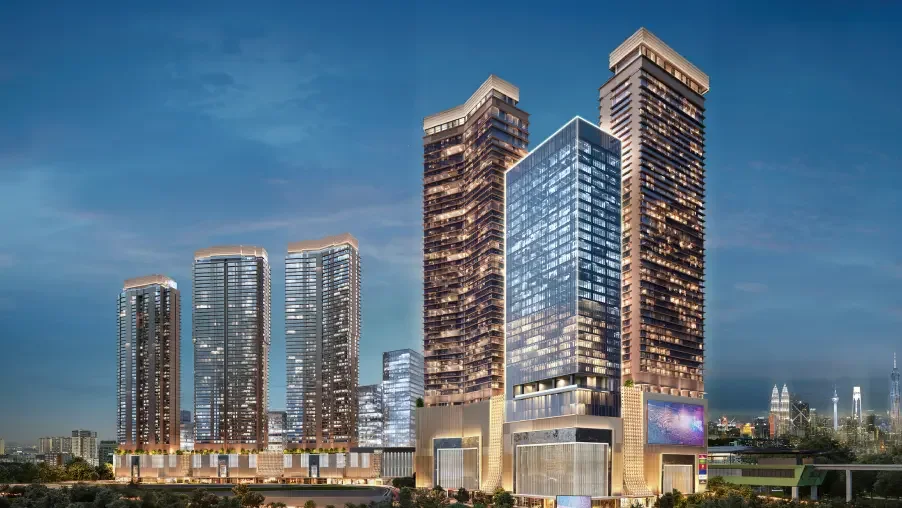
If you are choosing between Damansara Heights and Bangsar, the short answer is this: Bangsar gives you a more complete, walkable lifestyle with restaurants, malls and nightlife on your doorstep, while Damansara Heights gives you a quieter, greener, more residential feel that is still minutes from the city. Both are premium KL addresses, so neither is a "budget" choice — the real decision comes down to noise tolerance, daily routine, and what kind of home you actually spend your time in. This comparison breaks down transport, housing stock, lifestyle, costs and paperwork so you can decide with your eyes open, not just from the property portals.
As a licensed negotiator (REN 76742) working these neighbourhoods weekly, I have sat with buyers who toured both and still could not decide — usually because nobody explained the trade-offs in plain terms. That is what this guide does. No invented numbers, no sales pitch — just what actually differs, and how to verify anything live before you commit.
Where each neighbourhood sits and what that means daily
Damansara Heights (Bukit Damansara) sits just north of the city centre, wedged between Jalan Duta, Segambut and the Damansara corridor. It grew up as a low-density residential enclave of bungalows and hillside homes, and much of that character survives in the landed pockets even as condos have gone up along the edges. Bangsar, south-west of the centre, started as a plantation estate and matured into one of KL's most established mixed neighbourhoods — landed houses off Jalan Telawi, condo towers along Jalan Maarof, and a commercial spine that includes Bangsar Village, Bangsar Shopping Centre and the Telawi restaurant row.
The practical difference in daily rhythm
In Bangsar, many residents genuinely walk: groceries, clinics, banks, coffee, dinner — all reachable on foot or a short hop along Jalan Telawi and Jalan Maarof. In Damansara Heights, the default is still the car. You can be at Publika or Mid Valley in a short drive, but the neighbourhood itself is quieter by design. If your week is packed with dinners out, classes and errands, Bangsar removes friction from your day. If you drive to work anyway and want calm when you get home, Damansara Heights fits better.
Transport and access: how each connects to the rest of KL
Both areas are well connected, but differently, and this is where a Damansara Heights vs Bangsar comparison genuinely changes decisions.
Bangsar's rail advantage
Bangsar is served by the Kelana Jaya LRT line (Bangsar station, plus Abdullah Hukum on the edge), and the MRT Kajang Line runs through nearby stations such as Pusat Bandar Damansara and Taman Tun connections via Titiwangsa or Maluri interchanges — with the Abdullah Hukum interchange linking LRT, MRT and KTM on one site. That three-line interchange makes Bangsar one of the better-connected residential addresses for people who work in the city, PJ or even further out. There is also the KL Ecopolitan/BRT-adjacent bus options and the free GO KL City Bus serving parts of the Brickfields edge. Check current routes and timetables on Rapid KL's official site before you finalise anything, because service levels and feeder routes get revised.
Damansara Heights' road advantage
Damansara Heights leans on roads: the SPRINT highway, Jalan Duta access to the Duke, and the Penchala Link put you quickly into the city centre, Mont Kiara or Petaling Jaya. The MRT Semantan and Pusat Bandar Damansara stations serve the fringes, but most homes here are a drive or a ride-hail away from the station, not a walk. So the honest rule is: rail commuter or one-car household → Bangsar wins. Two-car family that drives everywhere → Damansara Heights' highway access is hard to beat.
What you actually get to live in: housing stock compared
The two markets offer noticeably different products at the top and middle of the range.
Damansara Heights
The core is landed: original bungalows, renovated villas, hillside semi-Ds and zero-lot homes, many behind long driveways and mature greenery. The newer residential supply is mainly low-to-mid density condos and serviced apartments on the fringes — some with genuinely large units by KL condo standards, aimed at families and downsizers who want space without maintaining a house. Expatriate tenants, embassy-adjacent demand and corporate leases keep the rental market steady here, which matters if you are buying with an exit plan.
Bangsar
Bangsar offers a wider ladder: older walk-up apartments and converted units at more accessible price points, mid-market condos near the stations, and premium towers along Jalan Maarof and Bukit Bandaraya. On the landed side, Telawi terraces and Bukit Bandaraya bungalows are among KL's more tightly held stock — when good ones come up, they move fast and often quietly. If you want options at multiple budget levels in one neighbourhood, Bangsar's spread is wider.
Quick comparison table
| Factor | Damansara Heights | Bangsar |
|---|---|---|
| Daily default | Car-based, quiet residential | Walkable, mixed-use energy |
| Rail access | MRT on the edges; mostly not walkable | LRT + MRT/KTM interchange nearby |
| Road access | SPRINT, Duke, Penchala Link | Federal Highway, Mahameru, NPE via connectivity |
| Housing mix | Landed villas, low-density condos | Full ladder: walk-ups to premium towers |
| Street noise | Low in the pockets; some highway-facing edges | Variable — check unit orientation carefully |
| Nightlife / dining | Limited in-enclave; drive out | Telawi row, Bangsar Village, Jalan Telawi cafes |
| Tenant profile | Corporate, expat, family | Young professionals, expats, families |
What affects price in each area — and how to check before you buy
Nobody should rely on asking prices on portals to judge value. In Malaysia, the reference point for actual transacted values is the Department of Valuation and Property Services (JPPH), which publishes the National Property Information Centre (NAPIC) data and market reports. Transacted figures for a specific street and product type differ meaningfully from asking prices in both neighbourhoods.
Factors specific to these two markets
- Orientation and elevation. In Damansara Heights, hillside position affects both views and landslide/soil considerations — request the developer's or management's geotechnical history on slopes. In Bangsar, a unit facing Telawi or the main roads carries real noise; the same tower's quiet-facing stack can feel like a different property.
- Distance-to-station premium in Bangsar. Units genuinely walkable to LRT command stronger tenant demand and resale liquidity — but check the walk: some "near station" listings involve an unshaded, unsafe or steep route.
- Enclave purity in Damansara Heights. Landed pockets bordered by main roads or new high-density launches behave differently from those fully inside the quiet grid. Walk the perimeter before committing.
- Maintenance health. For any condo in either area, ask for the last two years of audited accounts, the sinking fund balance, and any special levy history. A cheap unit in a poorly maintained Bangsar tower can cost more than a fairly priced one in a well-run Damansara Heights building.
- Undivided share and tenure. Both areas mix freehold and leasehold parcels. Verify tenure and remaining lease on the title before valuation, because banks price these differently.
The buying and renting process: documents, fees, timing
Whether you buy in Damansara Heights or Bangsar, the legal and procedural flow is the same statewide, and knowing it protects you in a fast-moving premium market.
If you are buying
The sequence: offer/letter of intent or booking → sales and purchase agreement drafted by a lawyer → loan approval → SPA signing → progress or completion → stamp duty and transfer. Budget for SPA legal fees, loan agreement fees, stamp duty on the MOT (which scales in tiers with the purchase price), valuation and agency fees where applicable — get the current schedule from your lawyer rather than from an article, because rates and thresholds change. For financing, the bank's valuation must support your price; in a negotiation, a low bank valuation in either neighbourhood is a legitimate renegotiation lever. And before you sign with anyone, verify that the person representing the seller is registered — you can confirm an estate agent's or negotiator's registration through LPPEH / BOVAEP, the Board of Valuers, Appraisers, Estate Agents and Property Managers. My own registration is REN 76742, and any genuine negotiator will happily let you verify theirs.
If you are renting
Expect a tenancy agreement (commonly one to two years with an option to renew), a security deposit plus a utilities deposit (typically referenced as multiples of monthly rent — confirm current norms with your agent), stamp duty on the tenancy, and inventory handover. In Bangsar's walkable zones, good units near stations are re-let quickly, so decision speed matters more than in the quieter Damansara Heights pockets, where the right family home can take longer to appear but also sits longer once listed.
Common mistakes I see in both areas
- Falling for the show unit, never visiting at 8am, 6pm and 10pm to hear the real noise profile.
- Skipping the management office visit: occupancy mix, short-term-rental policy and arrears tell you more than the lobby does.
- Comparing psf across areas without adjusting for tenure, floor, facing and maintenance quality.
- Not reserving financing headroom for renovation — older Bangsar apartments often need more work than newer Damansara Heights supply.
- Using asking prices as evidence in negotiation instead of transacted data.
Which one fits you: a short decision checklist
If several of these are true, lean Bangsar: you commute by rail, you eat out most nights, you want one address to serve work-social-family life, you value liquidity and a wide choice of homes. Lean Damansara Heights if: you drive, you want quiet and greenery, space-per-ringgit in a condo matters more than a walkable street, or you are buying a family home for a 10-year hold rather than a quick trade. Still unsure after viewing both? That usually means both work — so let price, the specific unit's condition, and the management quality make the final call. For current listings and transacted-price guidance in either area, register your interest with Shermaine Property and I will share what is actually available rather than what the portals claim.
Frequently asked questions
Is Damansara Heights more expensive than Bangsar?
Neither is uniformly cheaper — it depends on product type. Damansara Heights' landed stock sits at the premium end of KL's market, while Bangsar's range runs from older walk-up apartments to luxury towers, so its entry points are broader. On a like-for-like basis (similar tenure, size and age), compare transacted values via JPPH/NAPIC data rather than portal asking prices.
Which area is better for expatriate tenants?
Both attract expats, but the profiles differ. Bangsar suits tenants who want walkable amenities, rail access and social life without a car; Damansara Heights suits corporate tenants and families who prioritise space, quiet and proximity to international schools in the wider Damansara corridor. If rental yield is your main goal, tenant-matching to building type matters more than the area name.
Is Bangsar too noisy to live in?
Not if you choose the stack and street carefully. The noise concentrates along Jalan Telawi, Jalan Maarof and the commercial strips; side roads and higher floors away from the main roads are noticeably quieter. Visit at different times of day — and during Friday night and weekend evenings — before signing anything.
Do I need a car living in Damansara Heights?
Most residents do, or rely on ride-hailing. MRT stations serve the edges of the neighbourhood, but the landed pockets are generally not walkable to rail in the way central Bangsar is. Factor a second car or consistent ride-hailing costs into your monthly budget when comparing the two areas.
What legal checks should I do before buying in either area?
Verify the title (freehold or leasehold, remaining term), check for encumbrances through your lawyer's title search, confirm the seller's identity against the title, review the management's audited accounts for condos, and confirm your negotiator's registration with BOVAEP. These checks cost little relative to the purchase and prevent the expensive disputes I see buyers walk into.
How long does a purchase take from offer to keys?
For a completed subsale home, the typical timeline runs a few months from accepted offer through loan, SPA, stamping and transfer — exact duration depends on the bank, the state authority (for certain titles) and how quickly both sides' lawyers move. New launches and under-construction purchases follow a progressive schedule instead. Build the timeline into your moving plan rather than assuming a fixed completion date.