Flat Kuala Lumpur Guide: How to Buy or Rent a Flat in KL Without Regrets
Flat Kuala Lumpur Guide: How to Buy or Rent a Flat in KL Without Regrets
Judge every flat in Kuala Lumpur on three things and you will avoid most expensive mistakes: the title and building type, the true monthly cost of living in it, and how far you will actually walk to a train. Everything else — renovation, furnishing, negotiation — is detail you can fix later. This fl
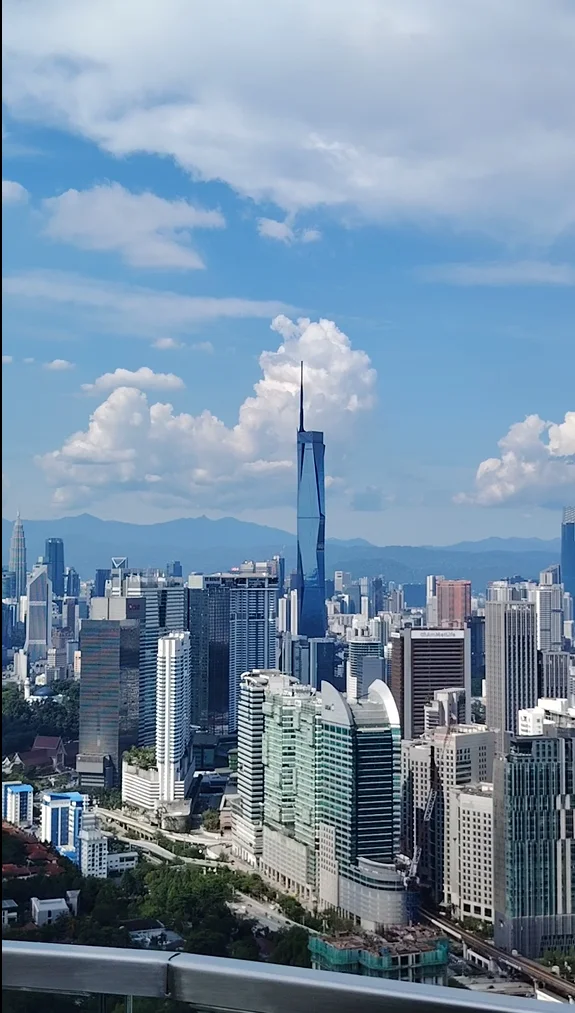
Judge every flat in Kuala Lumpur on three things and you will avoid most expensive mistakes: the title and building type, the true monthly cost of living in it, and how far you will actually walk to a train. Everything else — renovation, furnishing, negotiation — is detail you can fix later. This flat Kuala Lumpur guide walks through what "flat" means in the Malaysian market, how the buying and renting processes really run, which fees and documents to expect, and the mistakes that cost Bangsar and KL buyers the most.
What "flat" actually means in Kuala Lumpur
In Malaysia, "flat" is a loose word. It can mean a RM150,000 walk-up in Pantai Dalam or a RM1.5 million serviced residence in Bangsar South. The type of building changes your legal protections, your monthly outgoings and your resale pool, so identify it before you fall in love with a unit.
Low-cost and walk-up flats
Usually 550–750 sq ft, three to five storeys, sometimes no lift, minimal or no facilities. Prices are the lowest entry point into a mature neighbourhood, but check water pressure, lift maintenance (if any), corridor lighting and whether the unit carries resale conditions attached to low-cost or PPR units. Some blocks restrict who can buy, or require consent from the land office — confirm this with your lawyer before paying a deposit.
Apartments and condominiums
Typically 700–1,200 sq ft with one or two lifts, a small facility deck, and a monthly service charge. Older apartments in Bangsar, Bukit Bandaraya and Pantai Hills often sit on freehold land with generous layouts but tired common areas — which is where the value is, if the Joint Management Body (JMB) is functioning.
Serviced residences and commercial-title units
These sit on commercial land. Expect commercial electricity tariffs, higher service charges, smaller layouts and a different set of protections if you buy off-plan: the Housing Development Act covers residential property, and commercial units under construction are not protected in the same way. If you are buying a serviced residence before completion, get your lawyer to explain exactly what you are and are not covered for.
Where to look: comparing KL and Bangsar pockets
Bangsar is a district, not a single market. Two addresses a kilometre apart can behave very differently on price, rentability and traffic.
| Area | Character | Typical flat type | Transport reality |
|---|---|---|---|
| Bangsar Baru / Telawi | Walkable, restaurants, busiest at night | Older apartments, some serviced units | Bangsar LRT plus buses; parking is the pain point |
| Bukit Bandaraya / Bangsar Park | Quieter, green, family-oriented | Larger apartments, low-density blocks | Car-first; feeder buses to Bangsar LRT |
| Pantai Hills / Pantai Dalam | Hillside views, mixed price points | Walk-ups through to mid-range condos | Depends heavily on the specific block |
| Kampung Kerinchi / Bangsar South | Office-led, younger crowd, high density | Serviced residences, newer condos | Kerinchi and Universiti LRT; Abdullah Hukum interchange |
| Brickfields / Jalan Berangan | Central, older stock, strong transit | Older flats and small apartments | KL Sentral within reach |
What actually drives the price of a KL flat
Freehold versus leasehold
Freehold is simpler to finance and resell. Leasehold is not a dealbreaker — plenty of well-located leasehold flats hold value — but check the remaining lease term, because banks shorten loan tenure as the lease runs down, and a lease with under 60 years left can be hard to finance.
The JMB, the sinking fund and the maintenance culture
Ask to see the latest service charge collection rate and the sinking fund balance. A building where 30% of owners do not pay is a building heading for a lift breakdown and a special levy. Walk the corridors, look at the car park ceiling, and check whether the fire systems have current certification.
Layout, orientation and parking
West-facing units bake in the afternoon; units facing a highway or the Federal Highway get permanent noise. Check the parking allocation in writing — one bay, two bays, or none — and whether visitor parking exists. In dense projects, count the number of units per lift.
Density and facilities
Facilities are not free. A pool, gym and guardhouse raise the service charge permanently, whether or not you use them. For investors, high-density projects also mean more competing units at resale and at rental. For official transaction and valuation data, the Valuation and Property Services Department publishes market reports at jpph.gov.my — useful for sanity-checking an asking price.
The real cost: fees at purchase and every month after
- Booking and deposit: typically a small booking fee, then 10% of the price on signing the Sale and Purchase Agreement (commonly 3% on offer, 7% on SPA).
- Stamp duty on transfer: progressive — roughly 1% on the first RM100,000, 2% on the next RM400,000, 3% on the next RM500,000, and 4% above RM1 million. Confirm current exemptions with your lawyer.
- Legal fees: one set for the SPA, one for the loan, following the Solicitors' Remuneration Order scale and negotiable to a degree.
- Valuation fee: paid to the bank's panel valuer if you are taking a loan.
- Agent commission: in a subsale, usually borne by the seller; for rentals, traditionally half a month's rent for a one-year tenancy.
- Monthly: service charge plus a sinking fund contribution (often around 10% of the service charge), assessment tax to DBKL twice a year, quit rent annually, fire insurance, utilities and internet.
Budget for the first year of ownership, not just the purchase price. A flat that looks affordable at RM1,200 a month in charges can quietly cost more than a slightly pricier unit in a leaner building.
Transport and access: verify the walking distance yourself
"Five minutes to LRT" in a listing often means five minutes by car. Open rapidkl.com.my, find the nearest station, and then walk the route at 8am and again at 8pm. Covered walkways, crossing points and lighting matter more than the map distance. The Kelana Jaya line serves Bangsar, Abdullah Hukum (linked to the KTM Komuter station), Kerinchi and Universiti, which puts Bangsar South and Kampung Kerinchi within genuine commuting range of KL Sentral and the city centre.
By road, Bangsar is bounded by Jalan Maarof, the Federal Highway and the Sprint and Kerinchi links. Drive your commute once at peak hour before you commit. Also check parking ratio and whether the access road backs up when the nearby school or office tower empties.
The buying process, step by step
- Get financing first. Speak to two or three banks, know your debt-service ratio, and pull your CCRIS report. If you are a first-time buyer, ask about EPF Account 2 withdrawal and any current stamp duty incentives.
- Verify the agent. Every registered negotiator holds a REN number you can check on the Board of Valuers, Appraisers, Estate Agents and Property Managers portal at lppeh.gov.my.
- Do a title and caveat search. Your lawyer checks the master title, the strata title status, encumbrances, and whether the seller is the registered owner.
- Offer, then SPA. The SPA should state the fixtures, the parking bay, the completion date and the apportionment of service charges. For subsale residential property, completion is typically three months plus a one-month extension.
- Loan documentation and MOT. The bank instructs its lawyer to prepare the loan agreement and the Memorandum of Transfer; stamping happens here.
- Handover and vacant possession. Do a joint inspection, meter readings, and confirm the keys, access cards and any warranty documents are handed over.
Renting instead: what the process looks like
Expect a deposit of two to three months' rent plus one month in advance, a utility deposit, and stamping of the tenancy agreement within 14 days of signing. Read the inventory list carefully — it decides what you pay for at check-out — and confirm who pays for minor repairs, major repairs, service charge and the air-conditioner servicing. Confirm the landlord's right to let the unit, and whether the agreement allows early termination, subletting or a diplomatic clause if you may be transferred.
Common mistakes to avoid
- Paying a booking fee before confirming the title, the seller's identity and the unit's resale conditions.
- Ignoring the service charge history — arrears in a block become special levies later.
- Buying the cheapest unit in the most expensive building, then struggling to resell against better-maintained neighbours.
- Assuming commercial-title units give the same protections as residential ones.
- Underestimating renovation cost in older flats: rewiring, waterproofing and window replacement add up quickly.
- Renting without photographing the unit and signing off on an inventory.
Frequently asked questions
Is it better to buy or rent a flat in Kuala Lumpur?
Renting suits anyone staying under three to five years, because stamp duty, legal fees and agent commission need several years of ownership to amortise. Buying makes more sense if you are settling long term, can service the loan comfortably, and buy in a building with a healthy JMB. Run both scenarios against your actual monthly cash flow rather than a general rule.
How much deposit do I need for a flat in KL?
For a subsale purchase, plan for 10% of the price plus roughly 3–5% in legal fees, stamp duty and valuation. Banks may finance up to 90% depending on your profile and the property's valuation. First-time buyers should ask about EPF Account 2 withdrawal and any stamp duty exemption in force at the time.
Can foreigners buy a flat in Kuala Lumpur?
Foreigners may buy most stratified residential units above the state's minimum price threshold, but cannot buy low-cost or Malay-reserved units, and must obtain state consent for leasehold property. Rules differ by state and are revised from time to time, so confirm the current threshold and conditions with your lawyer before committing.
What is the difference between a flat, an apartment and a condominium?
In Malaysian usage, "flat" usually means a basic walk-up or low-cost block with few facilities, "apartment" a mid-range block with a lift and limited facilities, and "condominium" a project with a full facility deck and higher service charges. The legal title matters more than the label — check whether it is residential or commercial.
How long does it take to complete a flat purchase?
A subsale residential purchase typically completes in about three months from SPA signing, plus a possible one-month extension, assuming your loan is approved promptly and the title is clean. Leasehold purchases needing state consent can take longer. New launches follow construction progress and the developer's licence timeline.
What should I check during a viewing?
Test water pressure in both bathrooms, run the taps and showers, check for ceiling stains and musty smells, look at the corridor and lift condition, and confirm the parking bay number. Ask for the latest service charge statement and the sinking fund balance, and visit again at night to judge noise and lighting.
If you are weighing up specific units in Bangsar, Bangsar South or the surrounding KL neighbourhoods, contact Shermaine Foong (REN 76742) at Shermaine Property to register your interest and get a shortlist matched to your budget and timeline — shermaineproperty.com.