Jendela Residences Facilities and Amenities: A Practical Guide for Buyers and Tenants
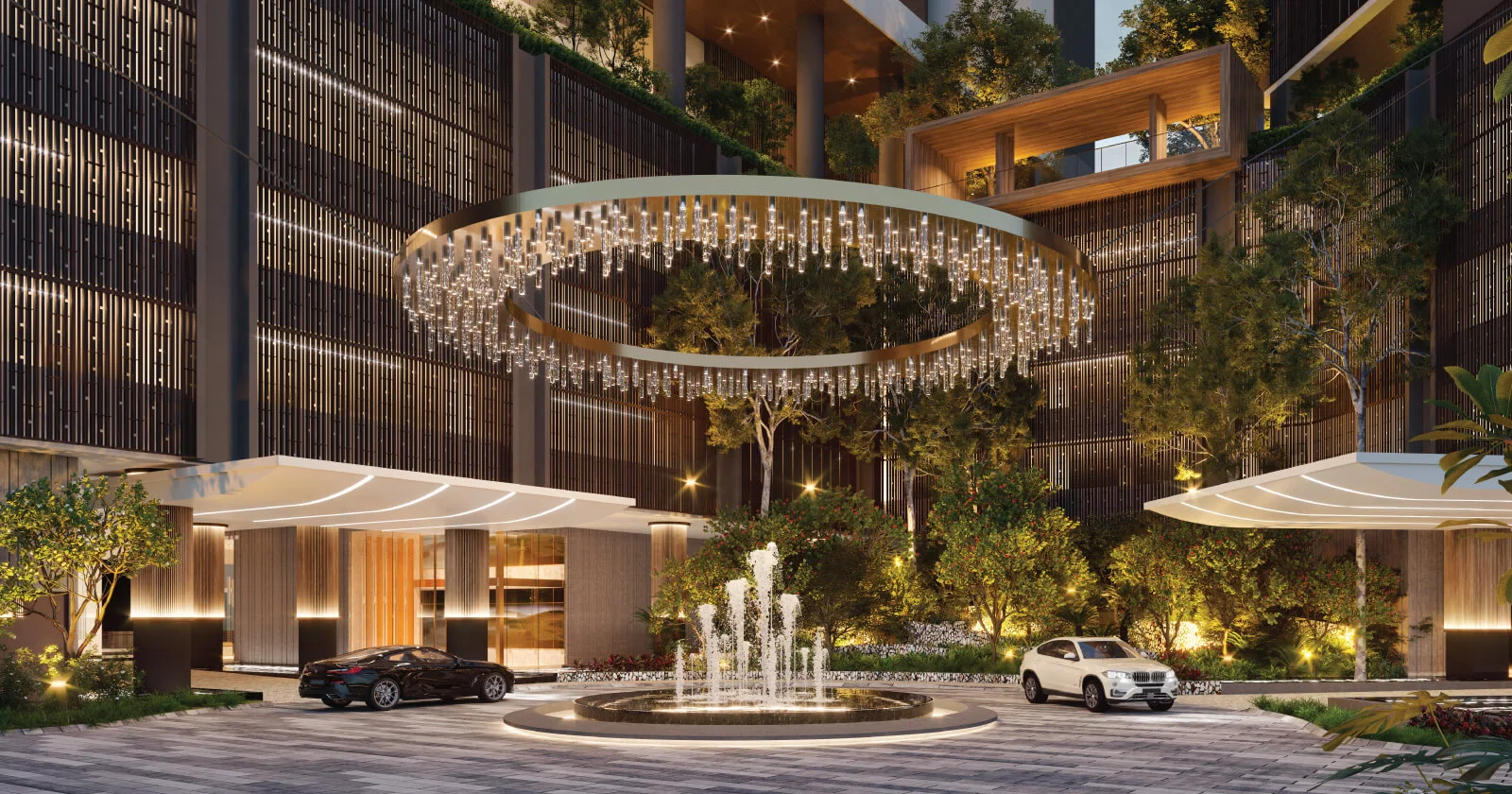
Jendela Residences facilities and amenities should be assessed as part of your daily lifestyle, rental appeal and long-term holding cost—not simply as a brochure checklist. Before booking a viewing or paying any booking fee, confirm the current facility access, maintenance condition, house rules and exact unit inclusions with the selling or leasing agent.
What matters most when evaluating the facilities
For a Bangsar or central Kuala Lumpur buyer, the most valuable amenity is not always the most photogenic one. A pool deck, gym or lounge may look impressive during a first visit, but the practical questions are whether it is usable, well maintained, accessible at the times you need and supported by sensible management rules.
Start by separating facilities into three groups: daily-use amenities, occasional lifestyle amenities and marketing amenities. Daily-use items can affect whether you enjoy living there every week. Occasional amenities may improve tenant appeal but may not justify paying a higher price on their own. Marketing amenities are attractive in photos but should not be treated as a substitute for location, layout, management quality or transport access.
Daily-use facilities worth inspecting in person
Prioritise the areas you are realistically likely to use: the entrance and drop-off area, lobby, lifts, parcel or delivery arrangements, security checkpoint, parking access, gym, pool, changing facilities, work or study spaces, and any children’s or family areas. Visit at a practical time if possible, such as weekday morning, after work or a weekend afternoon. This gives a more honest view of lift waiting times, visitor traffic, noise, parking movement and whether common spaces feel overcrowded.
Ask whether facilities require advance booking, whether there are guest limits, whether there are resident charges for certain rooms, and whether renovation works or maintenance closures are planned. A facility can exist on a plan but still be temporarily unavailable, restricted to residents, subject to booking rules or affected by management decisions.
Questions to ask the agent or management office
- Which facilities are currently operational and open to residents?
- Are there booking procedures, deposits, guest rules or usage charges?
- What are the operating hours for the gym, pool and common areas?
- How are access cards issued, replaced and controlled for tenants?
- Are there recent or upcoming maintenance works affecting lifts, pools or common areas?
- What is included with this specific unit: parking bays, storage, furnishing, appliances and access cards?
- Are short-term stays, home businesses, pets or renovation works subject to additional rules?
For a tenant, these answers affect convenience from day one. For an owner-investor, they also affect how easily the unit can be marketed and whether future tenants may see the property as a practical home rather than just another high-rise listing.
How to assess Jendela Residences facilities and amenities beyond the brochure
Do not rely only on rendered images, an old listing description or a social-media walkthrough. Facilities, operating rules and management standards can change after handover, during defect rectification, after a joint management body is formed, or as the resident community matures. The right approach is to match the facility package to the buyer profile you want to serve.
A professionally working tenant may value fast lift access, secure parcel handling, a usable gym, quiet work areas and a smooth route to the office more than a large function room. A couple may care more about privacy, visitor parking, pool upkeep and nearby dining. A family may place stronger weight on safety, lift reliability, practical common spaces and travel time to school or relatives.
Look for maintenance signals
During a viewing, inspect the basics without being awkward about it. Look at cleanliness around lift lobbies and refuse areas, whether access-control points appear functional, whether signboards are clear, whether common toilets are maintained, and whether landscaping or pool areas show signs of routine care. One minor issue does not automatically mean poor management, but repeated neglect across several areas is worth investigating.
Ask for the latest available service-charge and sinking-fund information for the unit, then understand what it covers. Charges can differ depending on parcel size, accessory parcels and the management structure. A lower monthly outgoings figure is not automatically better if the building’s upkeep is underfunded; equally, higher charges should be justified by a properly maintained living environment rather than a long list of underused facilities.
Check the unit-to-facility relationship
The same development can feel very different depending on the unit. Check the walking route from the lift lobby to the unit, proximity to refuse rooms or service areas, outlook toward common facilities, potential noise from pool decks or event spaces, and whether the parking route is convenient. A unit facing an active facility deck may appeal to someone who enjoys activity, while another buyer may prefer a quieter orientation.
If you are considering a furnished rental unit, confirm the actual inventory in writing. “Fully furnished” means different things to different landlords. List the appliances, beds, wardrobes, air-conditioning units, curtains, internet readiness and parking bays rather than assuming they are included because they appeared in a viewing.
Location, transport and everyday access from central Kuala Lumpur
Facilities inside the building are only half the decision. In central Kuala Lumpur, access to work, food, daily errands and transport often has a stronger impact on your quality of life and tenant demand. Test the route you would actually use—not only the route shown on a map during light traffic.
For public-transport users, confirm the walking route from the residence to the relevant rail or bus connection, including covered walkways, road crossings, lighting and the realistic walking time in Malaysian weather. Service routes and operating hours can change, so check the current information directly through Rapid KL route and map resources before making a commute-based decision.
For drivers, visit during peak periods and test the route toward your regular destinations: Bangsar, KL Sentral, TRX, Bukit Bintang, Mont Kiara, Petaling Jaya or your client locations. Consider traffic at the development entrance, turning access, visitor parking, e-hailing pickup points and the time needed to exit the car park. A location can be central on paper but still be inconvenient if the daily entry and exit pattern does not suit your work schedule.
Nearby convenience that affects real rental demand
Tenants commonly compare more than bedroom count. They ask about grocery options, food within a comfortable walk or short drive, pharmacy access, medical services, banking, gyms, cafés, rail links and e-hailing availability. If you are buying for rental, identify the likely tenant segment first, then assess whether the immediate neighbourhood supports that person’s lifestyle.
Do not make a decision based solely on future infrastructure announcements. Treat completed, usable access as confirmed; planned improvements as possible upside; and verbal claims without written sources as unverified. This simple discipline prevents buyers from overpaying today for convenience that may arrive late, change scope or not directly benefit the unit.
Buying or renting: process, documents and costs to prepare for
Whether you are purchasing or leasing, clarify the transaction structure before you commit. A straightforward viewing can move quickly when a suitable unit appears, especially when the unit has a desirable layout, parking arrangement or furnishing package. However, moving too quickly without checking documents and terms is a common and expensive mistake.
For buyers
Request the asking price, tenure, title status where applicable, built-up details, car-parking allocation, monthly maintenance outgoings, current occupancy status and any restrictions relevant to the transaction. If you are financing, obtain an early lending indication from your preferred bank or mortgage adviser and keep enough cash available for the booking, legal fees, valuation-related costs, stamp duty and other transaction expenses that may apply.
Valuation should be grounded in comparable evidence, not only the seller’s asking price or an online portal estimate. The Valuation and Property Services Department (JPPH) is a useful official reference point for understanding Malaysia’s property valuation ecosystem, while your appointed valuer and banker will assess the specific security for financing purposes. For current availability or an indicative market position, contact Shermaine rather than relying on a stale listing.
For tenants
Before paying a deposit, make sure the tenancy agreement identifies the landlord, tenant, property address, term, rental, payment due date, deposits, utility responsibilities, inventory, repair obligations, renewal terms and early-termination provisions. Confirm who pays for access-card replacement, air-conditioning servicing, internet installation, management charges if applicable and minor repairs.
Take dated photos or video of the property condition at key handover. Record meter readings, appliance condition, existing marks or damage, number of keys, parking remotes and access cards. This is not being difficult; it is the cleanest way to reduce arguments when the tenancy ends.
When appointing an estate agent, deal with a properly registered person or firm and verify professional status where appropriate through the Board of Valuers, Appraisers, Estate Agents and Property Managers. Shermaine Foong, REN 76742, can help coordinate viewings and explain the live transaction requirements for an available unit.
A buyer and tenant checklist before making an offer
| Area to compare | What to verify | Why it matters |
|---|---|---|
| Facilities | Operating condition, access rules, booking requirements and upkeep | Determines everyday value, not just brochure appeal |
| Unit package | Parking, furnishing, appliances, access cards and actual condition | Prevents surprise costs after signing |
| Outgoings | Maintenance charges, sinking fund, utilities, deposits and insurance obligations | Shows the real monthly and upfront commitment |
| Access | Peak-hour driving, public transport route and e-hailing pickup practicality | Directly affects owner enjoyment and tenant retention |
| Transaction terms | Offer conditions, financing timeline, tenancy clauses and handover inventory | Reduces legal and operational misunderstandings |
Price is affected by more than the development name. For sale units, factors can include size, floor level, view, orientation, condition, parking, furnishing, tenure, title status, seller urgency, financing conditions and comparable completed transactions. For rental units, furnished condition, included parking, move-in readiness, tenancy length, unit presentation and competition from nearby listings all matter.
Do not assume the highest-floor or most heavily furnished unit is automatically the best value. Compare the total package: monthly outgoings, condition, usable layout, noise exposure, actual facilities, travel time and the realistic cost to make the unit suitable for your needs. A well-priced unit that needs substantial upgrades may not remain a bargain after furniture, appliances, repairs and vacancy time are considered.
Frequently asked questions
What facilities should I confirm before viewing Jendela Residences?
Confirm which facilities are currently operational, their opening hours, booking rules and whether guests may use them. Also ask about access cards, parking allocation, parcel handling and any upcoming maintenance works. The exact facility experience can differ from one unit and management period to another.
Are Jendela Residences facilities included in the maintenance charges?
Common facilities are generally supported through the building’s management and common-property cost structure, but the exact charges and inclusions should be confirmed for the specific unit. Ask for current maintenance and sinking-fund details rather than relying on an old advertisement. Additional booking deposits or charges may apply to selected common spaces.
How do I know whether a unit is good for rental?
Start with the likely tenant: working professional, couple, family or corporate relocation. Then assess transport, practical parking, furnishing condition, internet readiness, security, usable facilities and nearby daily conveniences. Compare against active competing listings, not only historic asking rents.
What should be included in a tenancy handover record?
The record should list keys, access cards, remotes, parking items, furniture, appliances, meter readings and the property’s existing condition. Take clear dated photos or video and attach an inventory to the tenancy documentation. Both landlord and tenant should keep a copy.
When is the best time to inspect the development?
Inspect once during a convenient daytime period and, if serious, again near the time you would normally travel home or leave for work. Peak-hour visits reveal traffic, lift demand, noise and drop-off conditions that a quiet weekday viewing may hide. Weekend visits can also show how heavily common facilities are used.
How can I get current availability or a viewing?
Live availability, asking terms and unit condition change, so register interest directly rather than depending on an old portal listing. Contact Shermaine Foong, REN 76742, through shermaineproperty.com to discuss your budget, intended move-in or purchase timing, preferred layout and whether facilities or transport access are your priority.