Jalan Rumpai Bangsar: A Practical Guide to Living on This Quiet Bangsar Street
Updated · by Shermaine Foong (REN 76742)
Jalan Rumpai Bangsar: A Practical Guide to Living on This Quiet Bangsar Street
Jalan Rumpai is a short, leafy residential street in Bangsar, Kuala Lumpur, tucked off the main Jalan Maarof and Jalan Bangsar corridor and best known for its low-rise homes, mature trees and unusually calm feel for a location this close to the city. If you are searching for a place here, expect a s
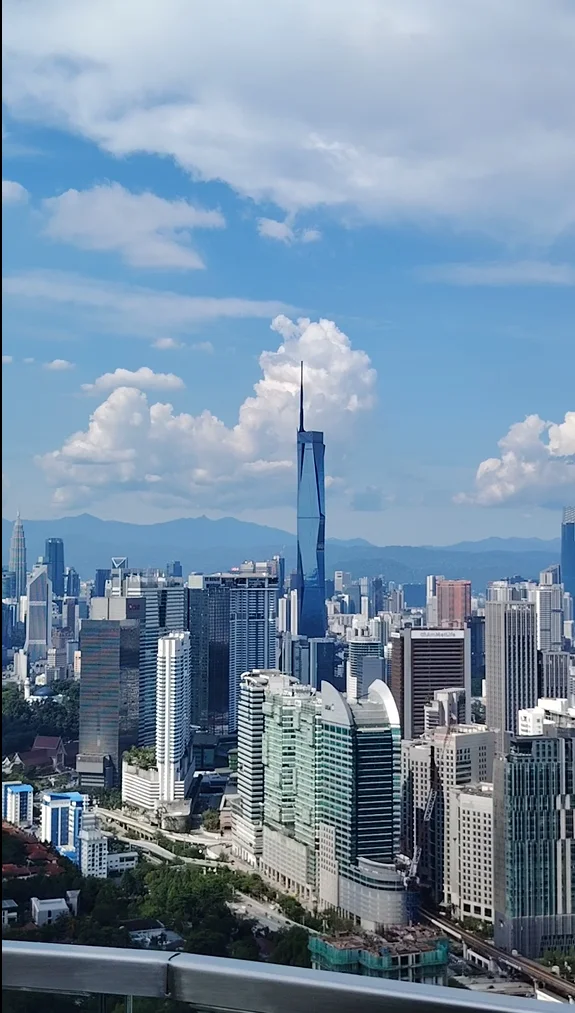
Jalan Rumpai is a short, leafy residential street in Bangsar, Kuala Lumpur, tucked off the main Jalan Maarof and Jalan Bangsar corridor and best known for its low-rise homes, mature trees and unusually calm feel for a location this close to the city. If you are searching for a place here, expect a small, tightly held street of mostly terraced houses and low-density residential buildings rather than a high-rise enclave, which means listings are infrequent and the right approach is to register interest with a local agent rather than wait for a portal to show you options.
This guide covers what the street actually offers, what to check before you commit, how the buying and renting process works in Malaysia, what affects pricing here, and the mistakes buyers and tenants commonly make in this part of Bangsar. It is written for real occupants, not investors chasing a flip.
What Jalan Rumpai actually is, and who it suits
Jalan Rumpai sits within the Bangsar planning area of Kuala Lumpur, in the stretch between Bangsar Baru and the Jalan Bangsar / Bangsar LRT side of the neighbourhood. It is a residential lane, not a commercial one. That single fact shapes almost everything about living here: you get quiet nights, low traffic, and neighbours who have often owned for decades, but you do not get shops at your doorstep, those are a short drive or walk away in Bangsar Baru or along Jalan Maarof.
The housing stock
Expect a mix of older terraced houses, many of them two-storey intermediate or corner lots, plus a scattering of low-rise residential buildings. Because Bangsar has been built up for decades, much of the stock is original 1970s–1990s construction, sometimes renovated, sometimes not. That age profile is the single most important thing to understand: you are usually buying or renting a building with history, and condition varies enormously from one unit to the next.
Who it suits
- Families who want landed living, a garden or car porch, and proximity to Bangsar schools and amenities.
- Professionals who want a short commute to KL Sentral, Mid Valley or the KL city centre and prefer a house over a condo.
- Long-term tenants who value stability and are willing to accept an older building in exchange for space and a quiet street.
It is less suited to anyone who wants concierge facilities, a pool and gym downstairs, or a brand-new building, for that, the high-rise clusters elsewhere in Bangsar are a better fit.
Location, access and getting around
The street's biggest practical advantage is how quickly it connects to the rest of the Klang Valley. Jalan Maarof and Jalan Bangsar are the main arterial links, feeding into the Federal Highway, the Sprint Highway and the routes toward KL Sentral and the city. That is excellent for drivers, but it also means you should test the commute at the exact times you will actually travel, not on a quiet Sunday.
Public transport
Bangsar is served by the Kelana Jaya line, with Bangsar station on Jalan Bangsar and Abdullah Hukum station serving the KL Eco City / Bangsar South side. Both are walkable from parts of Jalan Rumpai, though the walk is not always shaded and involves crossing busy roads, check the actual pedestrian route before you assume it is convenient. Bus connectivity along Jalan Bangsar and Jalan Maarof is reasonable, and you can confirm current routes and feeder services on the operator's site, Rapid KL.
Flooding and drainage
Parts of low-lying Bangsar near the river corridor have historically been flood-sensitive during heavy monsoon downpours. This is not unique to Jalan Rumpai, but it is the single most important thing to ask about before committing to a ground-floor or basement-level property. Ask the seller or landlord directly, check the street's drainage and kerb levels, and visit during or immediately after heavy rain if you can.
What to check before you buy or rent
Because the stock is older, due diligence here is more about building condition and legal cleanliness than about glossy finishes. Work through this checklist before you sign anything.
- Title and tenure: confirm whether the property is freehold or leasehold, and if leasehold, how many years remain. A short remaining lease materially affects value and financing.
- Land status and restrictions: check the land category and any express conditions on the title, including whether the property is designated for residential use and whether any extension was approved.
- Renovation approvals: older houses are often extended or renovated. Ask for the approved plans and certificates of fitness; unapproved extensions are a common and expensive problem.
- Structural condition: look at roof, gutters, damp patches, cracks, termite damage in timber, and the age of wiring and plumbing. Commission your own inspection rather than relying on the seller's word.
- Drainage and water flow: check for ponding in the compound, the condition of drains, and water pressure at upstairs taps.
- Parking: confirm how many cars the porch or driveway can realistically hold, and whether street parking is practical.
- Neighbourhood noise and access: visit at night and on a weekday morning to hear traffic, nearby construction, or religious and community activity.
- Outstanding bills and charges: get written confirmation that assessment, quit rent and utility accounts are clear before completion.
Documents and fees to expect when buying
For a sub-sale purchase in Malaysia, budget for the sale and purchase agreement legal fees, stamp duty on the memorandum of transfer, your lawyer's disbursements, and valuation fees if you are financing. If you buy through an agent, the estate agency fee is typically borne by the seller, but confirm this in writing. For leasehold or stratified property, add consent and transfer charges. Your solicitor will set out the exact figures for your transaction, do not rely on verbal estimates.
Documents and costs when renting
Expect a tenancy agreement, a security deposit (commonly two months' rent, plus half a month for utilities, though this is negotiable), and a stamping fee on the agreement. Check who pays for major repairs, confirm the inventory of fixtures, and make sure the agreement states the notice period and renewal terms clearly.
What affects price on Jalan Rumpai and in Bangsar generally
Prices here are set by a handful of factors that repeat across almost every transaction. Understanding them helps you judge whether a specific asking price is reasonable without anyone having to quote you a number they cannot stand behind.
| Factor | Why it matters |
|---|---|
| Tenure and remaining lease | Freehold commands a premium; short leasehold reduces both price and loan eligibility. |
| Land size and built-up area | Corner and end lots with larger land carry a clear premium over intermediate terraces. |
| Condition and renovation quality | A well-renovated house with approvals can justify a significant uplift; an unrenovated one is priced for the work
Comparing buildings in Bangsar? See all Bangsar condos with rents and sale prices by building. WhatsApp |